



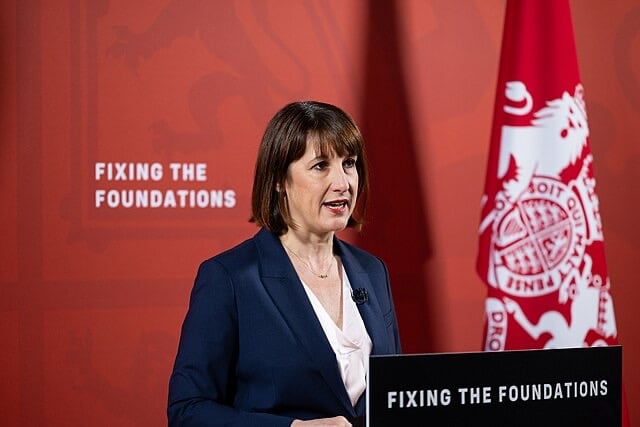
Chancellor Rachel Reeves is set to confirm that government support for soaring energy bills will be means-tested rather than universal, as she addresses the Commons following an emergency Cobra meeting focused on the economic fallout from the Middle East conflict.
In her statement to MPs, Reeves is expected to outline measures to combat price gouging by companies exploiting the crisis, with the Competition and Markets Authority set to be handed greater powers to identify and act against profiteering. She will also set out plans to bolster Britain’s long-term energy security through nuclear power and government-backed indemnities for critical energy infrastructure projects facing legal challenges.
The intervention comes as British households brace for a sharp rise in energy costs. Domestic bills are currently protected by a price cap until July, but experts warn they could increase by a fifth or more when that protection expires. Fuel duty is also due to rise in September, even as pump prices remain at painfully high levels. Food bills are under mounting pressure too, with fertiliser costs spiking due to disruption to Middle East supply chains.
Energy minister Michael Shanks, speaking on BBC Radio 4’s Today programme, indicated the Government was “looking at a range of options” while pointing to the £40 billion cost of the blanket energy support scheme deployed by the Conservatives in 2022 as a reason to proceed more carefully this time. He sought to reassure drivers that there was “no shortage of fuel anywhere in the country at the moment,” urging people to “go about their business as normal.”
Prime Minister Sir Keir Starmer warned on Monday that the economic disruption could persist “for some time,” with the Strait of Hormuz closure and regional infrastructure damage potentially continuing to affect prices through to the end of the year. There are growing concerns that the resulting pressure on public borrowing — which hit a record February high outside of the Covid period — could force the Government to raise further revenue.
Conservative leader Kemi Badenoch accused Reeves of falling back on “Labour’s playbook” of taxing working people to fund targeted benefits, calling instead for the scrapping of green levies on energy bills, the cancellation of the planned fuel duty rise and the reopening of North Sea oil and gas exploration.
Reeves is expected to resist calls for new North Sea drilling, arguing instead for a diversified energy mix to reduce dependence on volatile global fossil fuel markets. Susannah Streeter of Wealth Club said blanket support “simply doesn’t look viable given the stretched public finances,” and that lower-income households were likely to be prioritised in whatever package emerged.
