



A rape suspect’s accidental release from custody and subsequent departure to Europe represents the latest in a prison release crisis that saw 262 inmates mistakenly freed in the year to March 2025, a staggering 128 percent rise from 115 cases the previous year.
The Ministry of Justice confirmed the individual was mistakenly released on bail on Friday 6 February, with His Majesty’s Courts and Tribunal Service investigating the matter whilst urgently working with police to return him to custody. A spokesperson stated: “We understand the distress errors such as this can cause to those affected and instances like this have exposed deep-rooted issues across the broken justice system the Government inherited.”
The government has pledged to tighten prison release systems, with Dame Lynne Owens undertaking an independent investigation expected to report in coming weeks. The Ministry is investing millions to modernise technology replacing “archaic paper-based systems.”
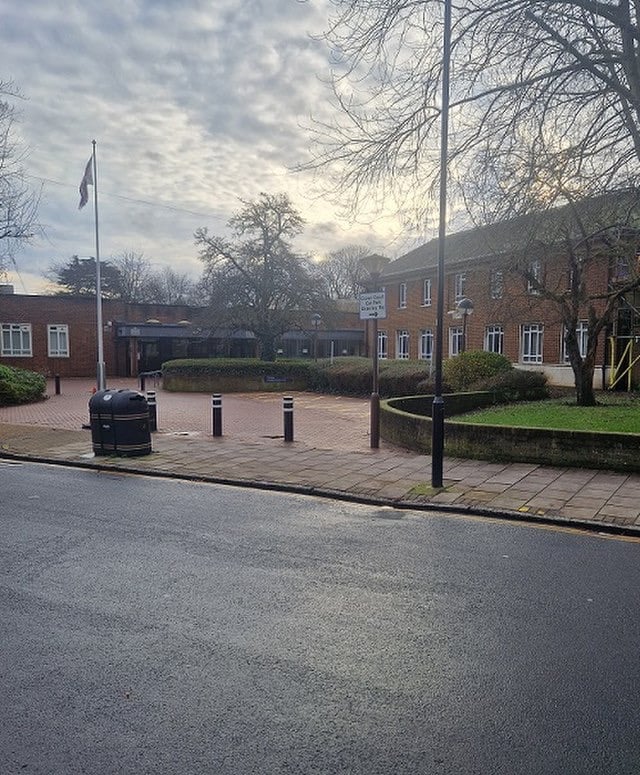
Judge Martin Edmunds KC, who heard the case at Isleworth Crown Court, urged the government to step in and help return the suspect to face justice. He stated: “Although such errors are extremely rare, and indeed this is the only instance I am aware of when there has been an erroneous release of a prisoner held in custody to this court, we take this error extremely seriously. We will fully investigate how it occurred and what steps can be put in place to prevent it occurring again.”
The defendant, who cannot be named due to legal restrictions, was locked up charged with multiple allegations of rape, sexual assault and violence against a woman. He denies all charges and was remanded in custody awaiting trial scheduled for June.
The catastrophic mix-up unfolded on 6 February when the defendant was not produced from prison for a court hearing. The court mistakenly issued a notice granting him bail, with confusion arising because he faces a separate criminal case in which he had been granted bail. Judge Edmunds stated: “A mistake was made assuming he was on bail on both matters.”
Following release, the defendant travelled to a European country using a passport from his country of origin. His British passport remains held by police, creating visa complications that his barrister claims prevent his return. She told the court Friday: “He is now in a position where he is unable to return to the jurisdiction. He is unable – without further assistance from the state – to return to the country.”
The barrister claims the defendant wants to return to clear his name but cannot successfully obtain a UK visa whilst unable to confirm his return date to his home country. Judge Edmunds indicated what is needed is confirmation from the Foreign or Home Office that arrangements can be made allowing the defendant back into the UK if he engages with authorities.
The case follows shocking recent incidents where convicted criminals were erroneously released. Last week, HMP Feltham inmate Daniel Boakye, 21, caged for knifepoint robberies and said to be a gang member and drill rapper, escaped from a Lewisham hospital for the second time in less than a week, months before his scheduled deportation to Ghana.
Last October, asylum seeker Hadush Kebatu was accidentally released from jail instead of being transferred to an immigration detention centre for deportation. The Ethiopian national was filmed strolling along busy London streets after taking a train following his release, sparking a frantic manhunt described by Justice Secretary David Lammy as having a prisoner “at large in London.”
Kebatu had been jailed after being convicted of sexually assaulting a schoolgirl in Epping, sparking nationwide protests outside migrant hotels. The accidental release prompted widespread criticism of prison administration systems.
A further hearing will take place on Tuesday to decide whether the March trial can proceed and whether the rape suspect can be brought back to the UK. The hearing will address whether the Foreign or Home Office can provide arrangements facilitating his return if he engages with authorities.
The defendant appeared in court on 26 January to discuss bringing his trial forward to March. The February 6 hearing, when he was not produced from prison, triggered the administrative error that led to his release and departure from the country.
The 128 percent increase in mistaken releases from 115 to 262 cases annually represents a systemic failure requiring urgent remediation. Dame Lynne Owens’ independent investigation aims to identify root causes and recommend preventative measures to restore public confidence in custody systems.
