



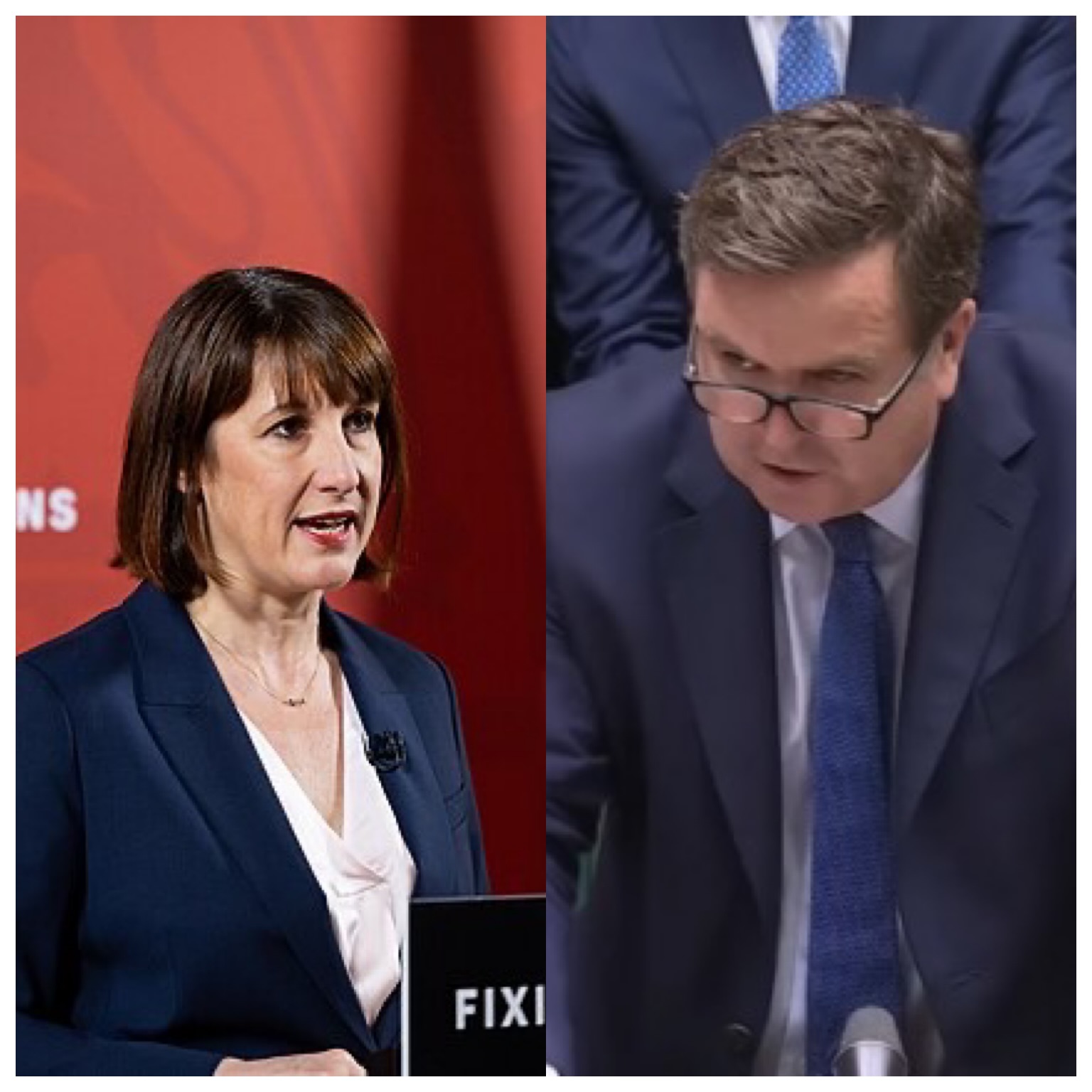
Chancellor Rachel Reeves has acknowledged that the conflict in the Middle East is likely to drive up inflation in Britain, as she faced a sharp parliamentary attack from Shadow Chancellor Sir Mel Stride, who accused her of leaving the economy dangerously exposed through what he described as “gross mismanagement.”
Reeves updated the Commons on the government’s economic response to the escalating US-Iran conflict, which has already sent oil prices surging past $100 a barrel for the first time since the 2022 energy crisis. In response, she set out a package of measures including a £15 billion warm homes plan, a £420 million business electricity discount and a 5p per litre fuel duty cut.
However, Sir Mel used the occasion to mount a sustained attack on the Chancellor’s handling of the economy in the period leading up to the current crisis. “Her approach to the economy in the run-up to this crisis, her gross mismanagement, has left us far more vulnerable than would otherwise have been the case,” he told the Commons.
The Shadow Chancellor pointed specifically to the government’s tax policy toward the North Sea oil and gas sector, arguing that continuing to impose what he called “ruinously high taxes” on domestic energy producers while relying on imports had proven to be “an incredibly short-sighted approach” in the context of a major global energy disruption. “The government is continuing to impose ruinously high taxes on our oil and gas sector and choosing to rely on imports instead of maximising our own domestic energy supply,” he said, adding that Reeves’ indication of no change in direction represented “the wrong choice.”
Sir Mel also highlighted the broader economic stakes, warning that oil prices at current levels were “enough to have huge knock-on effects for households and businesses” and drawing a direct comparison to the economic disruption caused by the 2022 energy crisis.
Reeves did not signal any reversal of the government’s energy taxation policy in her Commons appearance, despite the pressure from the opposition. The measures she announced are intended to provide short-term relief to households and businesses as energy costs rise. How effective those measures prove to be will depend in large part on how long the Middle East conflict continues and whether oil prices stabilise or climb further in the weeks ahead.
