



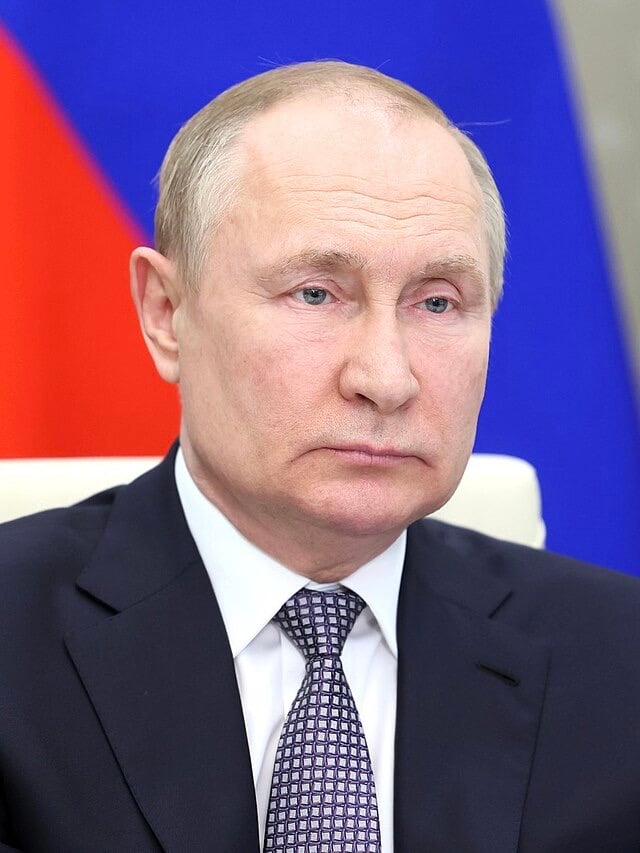
Ukrainian President Volodymyr Zelensky’s past accusations that Russian forces violated a similar Easter truce nearly 3,000 times last year cast doubt over Moscow’s latest ceasefire announcement as Vladimir Putin declared a 32-hour pause in hostilities coinciding with Orthodox Easter celebrations.
The Kremlin statement confirmed the suspension would commence 4pm on 11 April continuing through 12 April’s conclusion, with Moscow expecting Kyiv to reciprocate the temporary cessation.
“In connection with the approaching holiday of Orthodox Easter, a ceasefire is declared from 4pm on April 11 to the end of the day of April 12,” the announcement read, adding: “We proceed on the basis that the Ukrainian side will follow the example of the Russian Federation.”
The declaration mirrors last year’s Easter truce intended lasting 30 hours, though President Zelensky subsequently claimed Russian troops breached that agreement approximately 3,000 times during its brief duration—accusations undermining confidence in Moscow’s commitment to temporary cessations.
The recurring pattern of Kremlin-declared holiday ceasefires followed by Ukrainian allegations of systematic violations raises questions about whether such announcements serve genuine humanitarian purposes or function primarily as propaganda exercises enabling Russia to claim moral high ground whilst continuing military operations.
Orthodox Easter represents one of Christianity’s most sacred observances, with the faith predominant throughout both Russia and Ukraine despite the bitter conflict dividing the neighbouring nations since Moscow’s February 2022 invasion.
Previous ceasefire declarations during religious holidays have typically generated international attention whilst providing brief respites for civilian populations enduring constant bombardment, though their effectiveness remains contested when allegations of persistent violations emerge.
The Kremlin’s expectation that Ukraine will “follow the example” by reciprocating the pause places diplomatic pressure on Kyiv, potentially framing any Ukrainian military activity during the period as offensive rather than defensive regardless of whether Russian forces genuinely observe the ceasefire.
President Zelensky has not yet publicly responded to the latest declaration, though past scepticism regarding Moscow’s adherence to temporary truces suggests Ukrainian forces may maintain defensive readiness throughout the announced suspension period.
International observers and humanitarian organisations typically welcome ceasefire announcements whilst remaining cautious about their practical implementation, particularly given the conflict’s history of broken agreements and mutual accusations of violations.
The 32-hour duration represents a modest extension from last year’s 30-hour pause, though whether this timing alteration reflects genuine commitment to observance or merely cosmetic adjustment remains unclear absent verification mechanisms ensuring compliance.
