



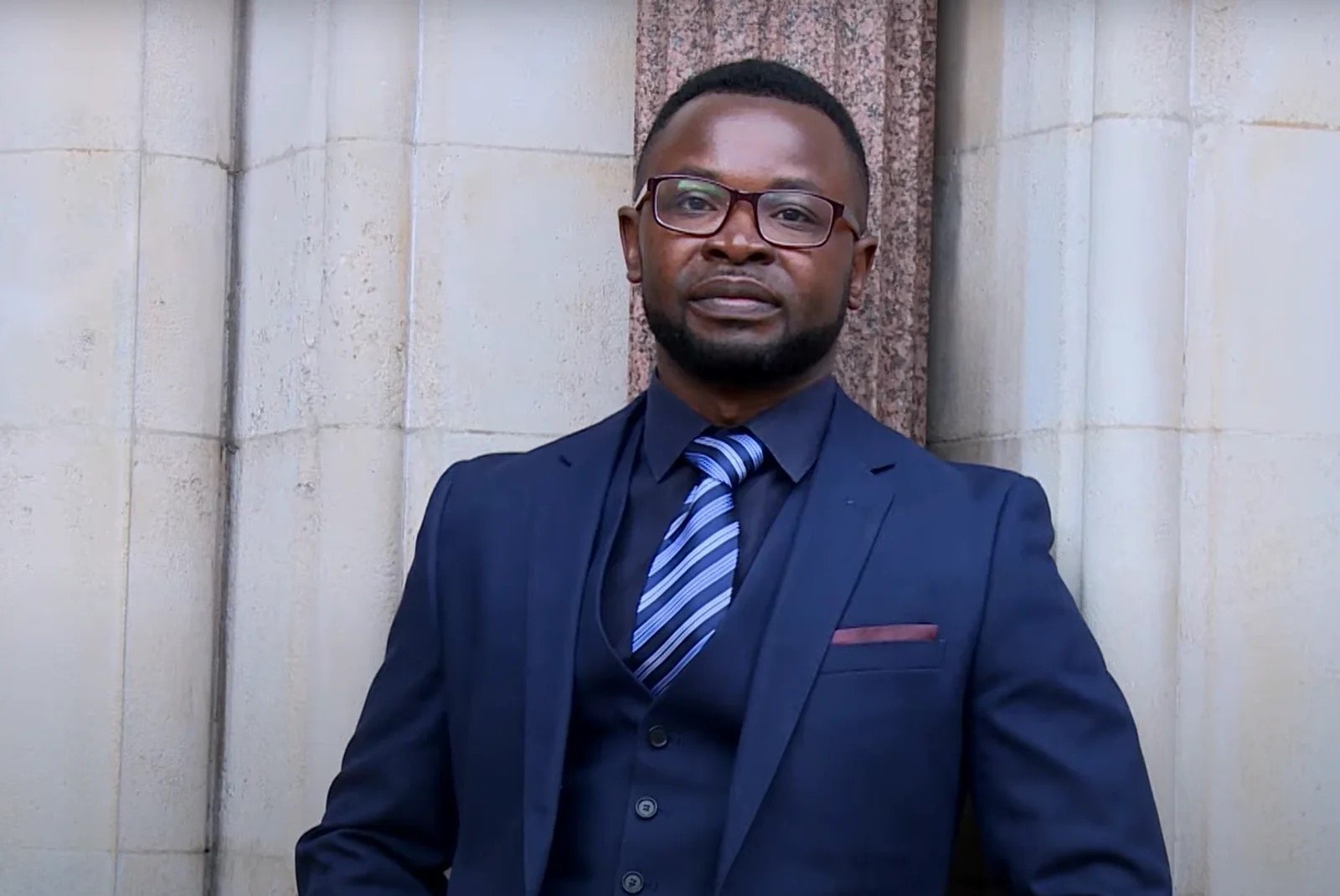
An employment appeal tribunal has ruled that a Leeds mental health charity unlawfully discriminated against a Christian social worker when it rescinded his job offer after discovering his publicly expressed views on marriage and sexuality, overturning a previous tribunal decision that had sided with the employer.
Felix Ngole, 47, had a conditional job offer withdrawn by Touchstone, a mental health and wellbeing charity and NHS provider based in Leeds, after the organisation discovered past statements in which he expressed a traditional view of marriage and sexuality. The appeal tribunal concluded Monday that the original judgment amounted to discrimination against his beliefs in a manner “not capable of justification.”
Touchstone had argued during the original employment tribunal that LGBTQI+ service users might discover Ngole’s views online and suffer distress or negative mental health consequences. Dave Pickard, head of operations at Touchstone and backed by LGBT campaign group Stonewall, had claimed that quoting John 3:16 could be “triggering” for service users.
The original tribunal acknowledged Ngole was discriminated against because of his beliefs but ultimately ruled the charity’s actions were proportionate and justified due to safeguarding and reputational concerns. Monday’s appeal tribunal overturned that finding entirely.
Andrea Williams, chief executive of the Christian Legal Centre which supported Ngole throughout proceedings, stated: “The ruling makes clear what should always have been obvious – there can be no excuse for discriminating Christians in the workplace because members of the public might discover their protected beliefs online.”
Ngole expressed satisfaction at the appeal outcome whilst voicing frustration that parts of the case were referred back to the original employment tribunal for reconsideration due to additional legal flaws identified in the original ruling. “I am pleased to see the employment appeal tribunal recognise that I should not have been refused this job solely because people might discover my mainstream Christian beliefs online,” he stated.
He added: “I have supported vulnerable individuals from all backgrounds throughout my professional life, and I have never sought to impose my beliefs on anyone.”
Ngole plans to appeal certain aspects of the ruling with which he disagrees, meaning the legal proceedings have not concluded entirely despite Monday’s significant victory on the central discrimination question.
This is not the first time Ngole has successfully defended his rights in court. He previously won a landmark free speech case at the Court of Appeal against the University of Sheffield in 2019 after being expelled over Facebook comments upholding biblical sexual ethics. The Court of Appeal ruled at the time: “The mere expression of religious views about sin does not necessarily connote discrimination.”
Ngole’s job offer at Touchstone was reportedly rescinded after the organisation discovered he had previously won that landmark free speech case, adding to the circumstances surrounding the withdrawal of the conditional offer.
The Christian Legal Centre described Monday’s outcome as “a significant win for Christian freedom and free speech,” suggesting the ruling has broader implications for how employers handle employees whose religious beliefs are discoverable online.
The elements of the case referred back to the original employment tribunal will require further proceedings before all aspects of Ngole’s claim are resolved. His intention to appeal certain parts of Monday’s ruling indicates additional legal challenges remain ahead for both parties.
