



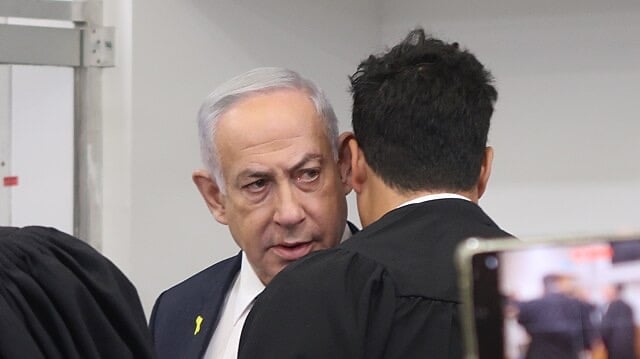
Benjamin Netanyahu’s long-running corruption proceedings will recommence this weekend just hours after Israeli courts announced the nation’s state of emergency has been rescinded following a fragile ceasefire with Iran.
The Israeli Prime Minister’s trial—which began in 2020 on bribery, fraud and breach of trust charges dating to 2019—resumes Sunday after Thursday’s court spokesperson confirmation that judicial operations would return to normal scheduling between Sundays and Wednesdays.
Israel lifted its emergency declaration Wednesday evening after no incoming Iranian missiles were detected since 3am local time (midnight GMT), ending restrictions that had shuttered schools and workplaces during hostilities triggered by 28 February US-Israeli airstrikes on Iran.
President Donald Trump and Mr Netanyahu justified those strikes as necessary to prevent Iranian international force projection, dismantle its nuclear programme and encourage regime change, though the provisional truce faces threats from extensive Israeli military operations targeting Iran-backed Hezbollah in Lebanon.
“With the lifting of the state of emergency and the return of the judicial system to work, hearings will resume as usual,” the Israeli courts statement confirmed.
Mr Netanyahu became the first sitting Israeli prime minister facing criminal charges following years of investigations, with proceedings repeatedly delayed citing official duties preventing regular court attendance—a pattern that has left the trial without foreseeable conclusion despite commencing four years ago.
Mr Trump has amplified Mr Netanyahu’s appeals to President Isaac Herzog for a pardon, arguing court appearances impede the Prime Minister’s ability executing his responsibilities.
Herzog’s office confirmed the justice ministry’s pardons department would gather opinions for submission to the president’s legal adviser who will formulate recommendations per standard practice, though pardons are rarely granted mid-trial.
The corruption charges combined with October 2023 Hamas attacks have severely damaged Mr Netanyahu’s political standing ahead of October elections where his coalition—Israel’s most right-wing government historically—faces likely defeat according to polling.
The Prime Minister denies all charges stemming from the 2019 indictment following extensive investigations, with potential jail terms attached to convictions should prosecutors ultimately prevail.
The trial’s resumption during a precarious ceasefire period highlights the dual pressures confronting Mr Netanyahu as he simultaneously manages delicate diplomatic negotiations whilst defending against criminal allegations that could end his political career.
Court proceedings will occur whilst Israeli forces continue Lebanese operations against Hezbollah despite ceasefire arrangements focusing primarily on Iranian-Israeli hostilities rather than proxy conflicts across the broader region.
