



The central Mediterranean migration route has claimed an estimated 484 lives in the first six weeks of 2026 following the latest tragedy off Libya’s coast that left 53 people dead or missing.
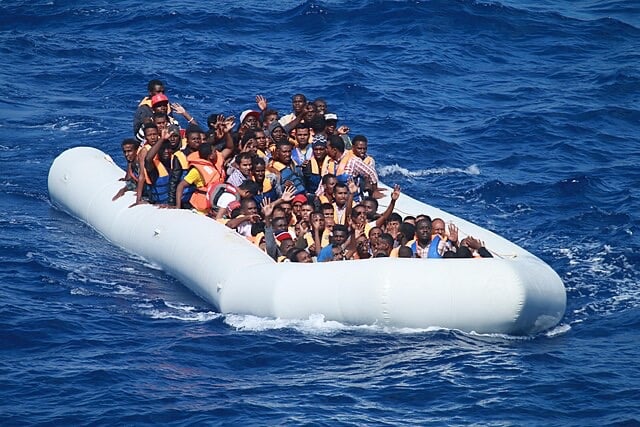
A rubber boat carrying 55 African migrants and refugees capsized north of Zuwara, Libya on 6 February, with Libyan authorities rescuing just two Nigerian women during search-and-rescue operations. The International Organization for Migration confirmed the incident on Monday.
The tragedy adds to a mounting death toll that saw at least 375 migrants reported dead or missing in January alone as they attempted the treacherous journey across the Mediterranean. The IOM warns many more deaths likely go unrecorded in “invisible” shipwrecks amid extreme weather conditions.
One survivor reported losing her husband in the capsizing, whilst the other said she had lost her two babies. Both women received emergency medical care upon disembarkation, coordinated by relevant authorities according to the IOM.
The rescued women told authorities the vessel departed from Al-Zawiya, Libya at approximately 11pm on 5 February. Six hours into the journey, the boat encountered difficulties and capsized, leaving the passengers struggling in the water.
More than 1,300 migrants went missing in the central Mediterranean during 2025, with December witnessing a particularly deadly incident when over 100 people died after a vessel carrying 117 passengers sent out an SOS message shortly after leaving Libya on 18 December. Tunisian fishermen rescued a single survivor on the evening of 21 December. That boat also encountered difficulties around Zuwara.
The IOM has reiterated warnings that “trafficking and smuggling networks” continue to “exploit” migrants along the central Mediterranean route, “profiting from dangerous crossings in unseaworthy boats while exposing people to severe abuse and protection risks.”
Libya has become a major departure point for migrants and refugees attempting to reach Europe, with smuggling operations based along the coast organizing dangerous sea crossings in vessels often unfit for the journey. The rubber boat that capsized on 6 February carried 55 people, a typical overloading seen in smuggling operations that maximize profits regardless of passenger safety.
The organization stated: “IOM stresses the need for stronger international cooperation and protection-centred responses to address smuggling and trafficking networks, alongside safe and regular migration pathways to reduce risks and save lives.”
The IOM’s Missing Migrants Project has recorded 33,441 migrants missing in the Mediterranean since 2014, documenting over a decade of deaths along migration routes to Europe. The project tracks fatalities and disappearances during migration journeys worldwide, with the Mediterranean representing one of the deadliest regions.
International cooperation efforts to combat smuggling networks and establish safer migration pathways continue to face challenges, with Libya’s ongoing instability complicating enforcement and rescue operations. The country lacks a unified coast guard authority, with competing factions controlling different sections of coastline.
The mounting 2026 death toll suggests the pattern of dangerous crossings shows no signs of abating despite international efforts to address the crisis. Weather conditions in the Mediterranean during winter months make crossings particularly hazardous, with rough seas and cold water temperatures reducing survival chances for those whose vessels capsize.
