



Ghana has been tasked with leading a United Nations resolution push on 25 March that would formally classify the transatlantic slave trade as a crime against humanity, as a Labour backbencher voices support for the African Union’s campaign for colonial reparations from Western nations including Britain.
The African Union, representing all 55 African nations, agreed at its recent summit to bring the resolution before the UN. Caribbean nations have joined forces with African countries in pursuing the campaign, with some estimates placing the amount owed in the trillions of dollars.
Ghana’s Foreign Minister Samuel Okudzeto Ablakwa stated at the summit that the resolution will “demand reparations including the return of looted objects.” He told delegates: “By standing together at the United Nations, we signal to the world that Africa will no longer allow the scale of its historical suffering to be minimised. We seek not only recognition, but a global legal framework that paves the way for healing, accountability, restitution and restorative justice.”
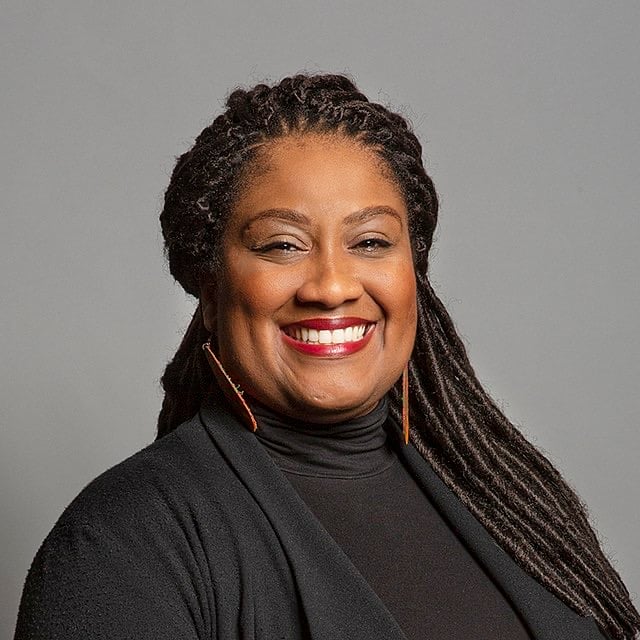
Labour MP Bell Ribeiro-Addy shared Ablakwa’s message on social media, drawing attention to the deal and the forthcoming UN resolution. The backbencher has previously called on the government to “engage” in reparations discussions, arguing steps must be taken to address the “enduring legacies of slavery and colonialism.”
Ribeiro-Addy, a member of the hard-left Socialist Campaign Group, has previously pressured Sir Keir Starmer to take “state-led action” over reparations. She joined fellow Labour MPs Diane Abbott and Clive Lewis in calling for action when Commonwealth countries demanded a slavery retribution bill of approximately £18 trillion.
Speaking at a reparations conference in London, Ribeiro-Addy argued it was “very insulting [to] tell people of African descent to forget and move forward.” She added: “Reparations are not about relitigating historic injustices, they are about remedying the deep-rooted inequalities that still shape our world today.”
Ministers have firmly rejected any suggestion that Britain would pay reparations, despite Foreign Secretary David Lammy having called for them whilst in opposition. The government’s position represents a significant departure from Lammy’s previous stance on the issue.
Britain, which controlled a quarter of Africa at the height of its empire, could face renewed claims over the slave trade and colonialism if the UN resolution succeeds. Britain outlawed the slave trade in the early 18th century and played a significant role in ending the practice globally.
Other European colonial powers including France, Spain, Portugal, Belgium and Germany may also face mounting pressure following the resolution, having carved up Africa by the close of the 19th century. Advocates argue that countries in the “Global North” bear responsibility not only for historical slavery but also for environmental damage.
The 25 March UN resolution date provides a firm deadline for diplomatic efforts surrounding the reparations campaign. The resolution’s passage would establish a formal international legal framework that advocates hope would pave the way for binding reparations agreements between former colonial powers and African and Caribbean nations.
Britain’s government position against reparations payments will face scrutiny when the resolution comes before the United Nations, with Ghana leading the charge on behalf of the African Union’s 55 member states. The international pressure campaign marks an escalation in efforts to secure formal acknowledgement and financial redress for the transatlantic slave trade.
