



Within days of each other, two figures with vastly different access to classified information issued extraordinary warnings about escalating Iran conflict—one a resigning UN civil society representative claiming nuclear preparations, the other a sitting NATO defence minister describing “terrifying” intelligence he cannot disclose.
The parallel warnings from Mohamad Safa and Italian Defence Minister Guido Crosetto raise urgent questions about what Western governments may be contemplating as President Trump’s ultimatums to Tehran grow increasingly apocalyptic.
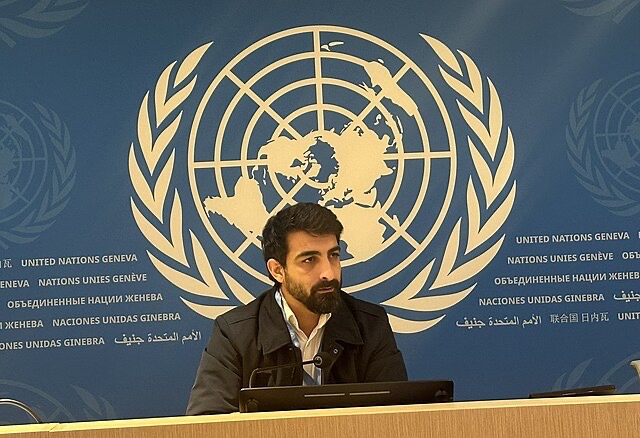
Safa’s bombshell resignation arrived first. The 35-year-old Lebanese diplomat with nearly twelve years representing the Patriotic Vision Association at UN forums announced on 29 March he could no longer continue “in good conscience” because senior UN officials were “serving a powerful lobby” whilst preparing for what he characterised as potential “crime against humanity” involving nuclear strikes that could trigger “nuclear winter.”
“I gave up my diplomatic career to leak this information,” Safa declared to his 540,000 social media followers, framing his departure as whistleblowing rather than protest. “I suspended my duties so as not to be part of or a witness to this crime against humanity.”
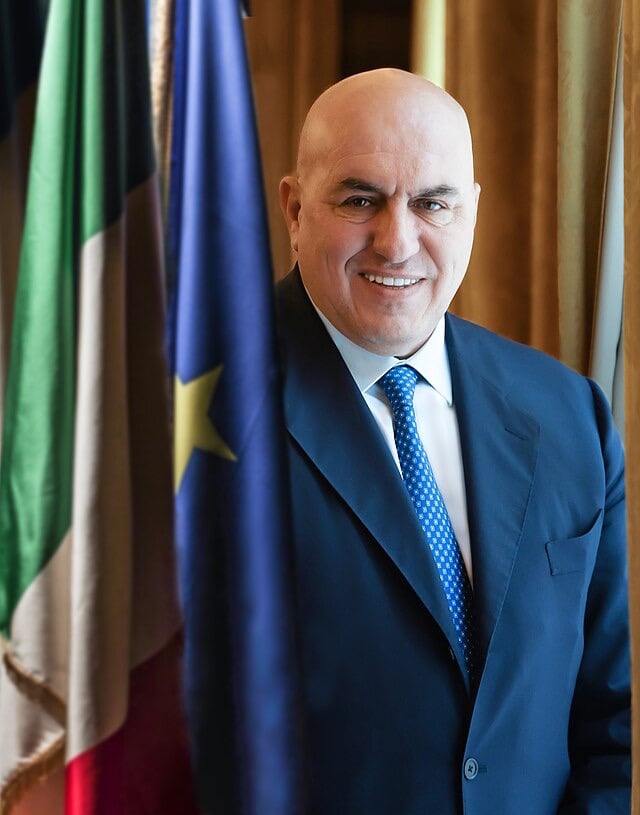
Days later, Crosetto delivered his own stark assessment to La Repubblica. “I live this war and its possible consequences 24 hours a day,” the Italian minister stated. “Due to the nature of my work, I have access to information that makes me unable to sleep. I fear what could happen in the coming weeks, as well as the consequences it will have on the economy and daily life.”
Britannia Daily analysis reveals the critical distinction: Crosetto occupies a NATO defence minister position granting genuine access to sensitive military intelligence and classified strategic planning. Safa held an NGO representative role accredited through UN ECOSOC—legitimate diplomatic status, but not one providing access to weapons deployment scenarios or nuclear contingency plans.
Yet both men describe institutional knowledge prompting their public interventions. Crosetto possesses classified briefings he cannot reveal. Safa claims awareness of UN internal preparations he felt compelled to expose. Neither provides documentary evidence—Crosetto constrained by security protocols, Safa offering none despite abandoning the institutional position that might have enabled internal accountability mechanisms.
Crosetto’s warning carries weight precisely because of his deliberate vagueness. He describes threats as primarily “economic and social” whilst emphasising their severity stems from classified military intelligence. “I have access to information that makes me unable to sleep,” he repeated, refusing elaboration whilst stressing Italy “does not support war with Iran” and was excluded from key decisions—”no one asked them for their opinion.”
The minister believes any Iran conflict would prove “longer and more complex than the conflict in Ukraine” given Iran’s size, population and historical power. Analysts interpret his concerns as centred on Strait of Hormuz scenarios affecting global energy trade, though his refusal to specify leaves room for speculation about whether more extreme contingencies feature in classified briefings.
Safa provides the specificity Crosetto withholds—but without the institutional access lending credibility. His background as UNEP Young Champions of the Earth regional finalist (2018 and 2019) and environmental advocate established legitimate diplomatic credentials. His master’s degree in space diplomacy and ongoing PhD research on establishing a World Space Organization demonstrate serious academic engagement with international institutions.
None of this, however, grants access to nuclear weapons planning. His role represented civil society at UN forums on climate action, human rights and international law—not Security Council deliberations or military contingency scenarios. Without corroborating evidence, insider testimony, or official acknowledgment, his nuclear allegations remain entirely unsubstantiated.
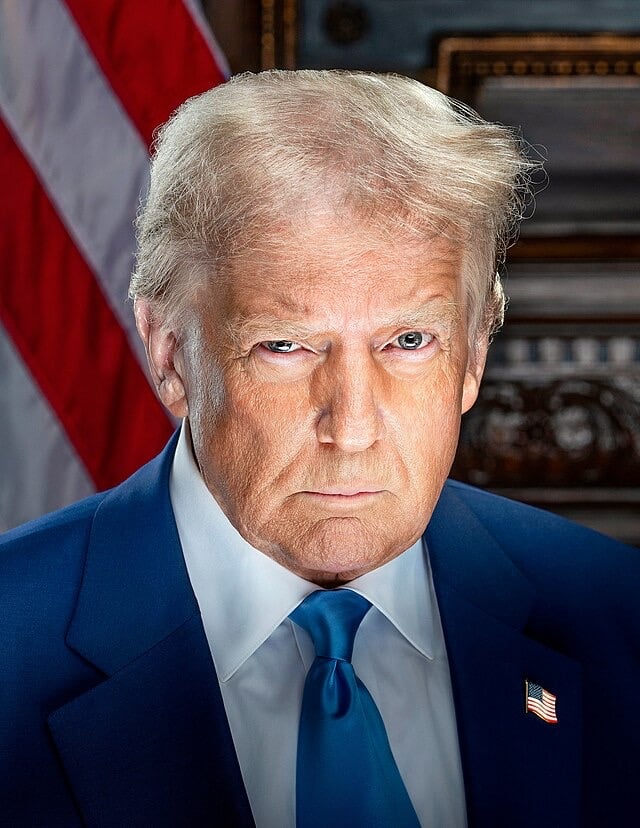
Yet President Trump’s own rhetoric validates both men’s escalation fears. On Sunday, he threatened via Truth Social: “If a deal is not reached soon, for whatever reason, and it probably will be, and if the Strait of Hormuz is not opened immediately, we will end our wonderful ‘stay’ on Iran by blowing up and obliterating all of their power plants, oil wells, and the Harg Islands.”
The President extended his April 6 deadline for reopening the strategic waterway whilst claiming negotiations proceed “directly and indirectly” with Tehran—assertions Iranian officials categorically deny, characterising American proposals presented through intermediaries as “excessive and unreasonable.”
Britannia Daily’s examination of Trump’s language reveals a crucial ambiguity: his threat to “obliterate” infrastructure stops short of explicit nuclear references, but the scale of devastation described—destroying all power plants, oil wells and Kharg Island facilities simultaneously—would require either massive conventional bombardment or tactical nuclear strikes to achieve rapidly.
Crosetto’s warning that conflict consequences would reverberate across Europe aligns with concerns about Hormuz closure’s economic impact, potential refugee flows, and energy security threats. But his emphasis on information “terrifying” enough to cost him sleep suggests scenarios beyond market disruption—possibly including battlefield nuclear use, Iranian retaliation capabilities, or cascading regional conflagration involving multiple state actors.
Safa’s subsequent advocacy reinforces his sincerity whilst highlighting his political positioning. He demands US and Israeli sanctions, urges invocation of “Uniting for Peace” resolutions bypassing Security Council vetoes, and condemns attacks on civilians and UN peacekeepers. These positions reflect longstanding global south frustrations with international law’s enforcement failures and Western veto protection for allies.
But framing resignation as “leaking information” when no actual documents accompany the departure raises questions about whether he possesses intelligence he cannot reveal—or whether inflammatory speculation is being dressed as whistleblowing.
Our analysis suggests two fundamentally different approaches to confronting potential catastrophe. Crosetto operates within government constraints preventing detailed disclosure whilst leveraging ministerial credibility to sound public alarms. Safa abandoned institutional position whilst making explicit claims unsupported by evidence. One maintains operational security whilst warning; the other sacrifices platform whilst alleging.
The parallel warnings illuminate different pathways for officials confronting potential catastrophe. Crosetto’s approach—emphasising severity whilst withholding specifics—preserves security classifications whilst generating public pressure for diplomatic solutions. Safa’s approach—explicit allegations without proof—risks dismissal as alarmist whilst potentially alerting populations to dangers governments conceal.
Neither approach definitively answers whether nuclear options remain under active consideration. Trump’s threats demonstrate extreme military measures are discussed. Whether “obliterating” Iranian infrastructure means tactical nuclear strikes or sustained conventional bombardment remains the crucial ambiguity both Safa’s allegations and Crosetto’s warnings fail to resolve.
Legitimate nuclear risks permeate the region: Iran’s advancing uranium enrichment, Israel’s undeclared arsenal, and documented American willingness to threaten overwhelming force. Britannia Daily’s assessment is that Crosetto and Safa may be observing the same escalation trajectory from different vantage points—one through classified defence briefings, the other through diplomatic corridors—and reaching similar conclusions about catastrophic possibilities.
Or Safa may be extrapolating from legitimate escalation concerns to reach unwarranted nuclear conclusions, whilst Crosetto describes economic and conventional military scenarios his classified access reveals as genuinely “terrifying” without crossing into weapons of mass destruction territory.
The institutional credibility gap proves decisive. Crosetto’s warning carries weight because he possesses genuine intelligence access and remains constrained by security protocols. Safa’s allegation generates scepticism because he lacks comparable access and provides no corroborating evidence despite abandoning the institutional position that might have enabled accountability.
Yet both men describe sleepless nights over information they believe warns of imminent catastrophe. Both sacrifice professional comfort—Crosetto risking diplomatic tensions with Washington, Safa ending his UN career—to sound public alarms. Both frame their warnings as moral imperatives transcending institutional loyalty.
Britannia Daily’s conclusion: the question becomes whether two such dramatically different figures reaching similar apocalyptic conclusions from opposing institutional positions suggests genuine catastrophic planning—or whether regional tensions have generated parallel alarmism amongst observers with vastly different information access interpreting ambiguous signals through their respective ideological frameworks.
Trump’s April 6 deadline approaches. Whether it brings diplomatic breakthrough, further extension, or the “obliteration” he threatens will determine whether Safa and Crosetto prove prophets or alarmists. Until then, their warnings—one explicit and unverified, one vague and credible—hang over a region where nuclear risks remain horrifyingly real regardless of which scenario these two men actually foresee.
What remains clear is that Britain faces mounting pressure as London prepares to host 35-nation talks tomorrow aimed at reopening the Strait of Hormuz—a diplomatic initiative that may represent the last chance to prevent the escalation both Safa and Crosetto warn against, whether nuclear or merely catastrophically conventional.
