



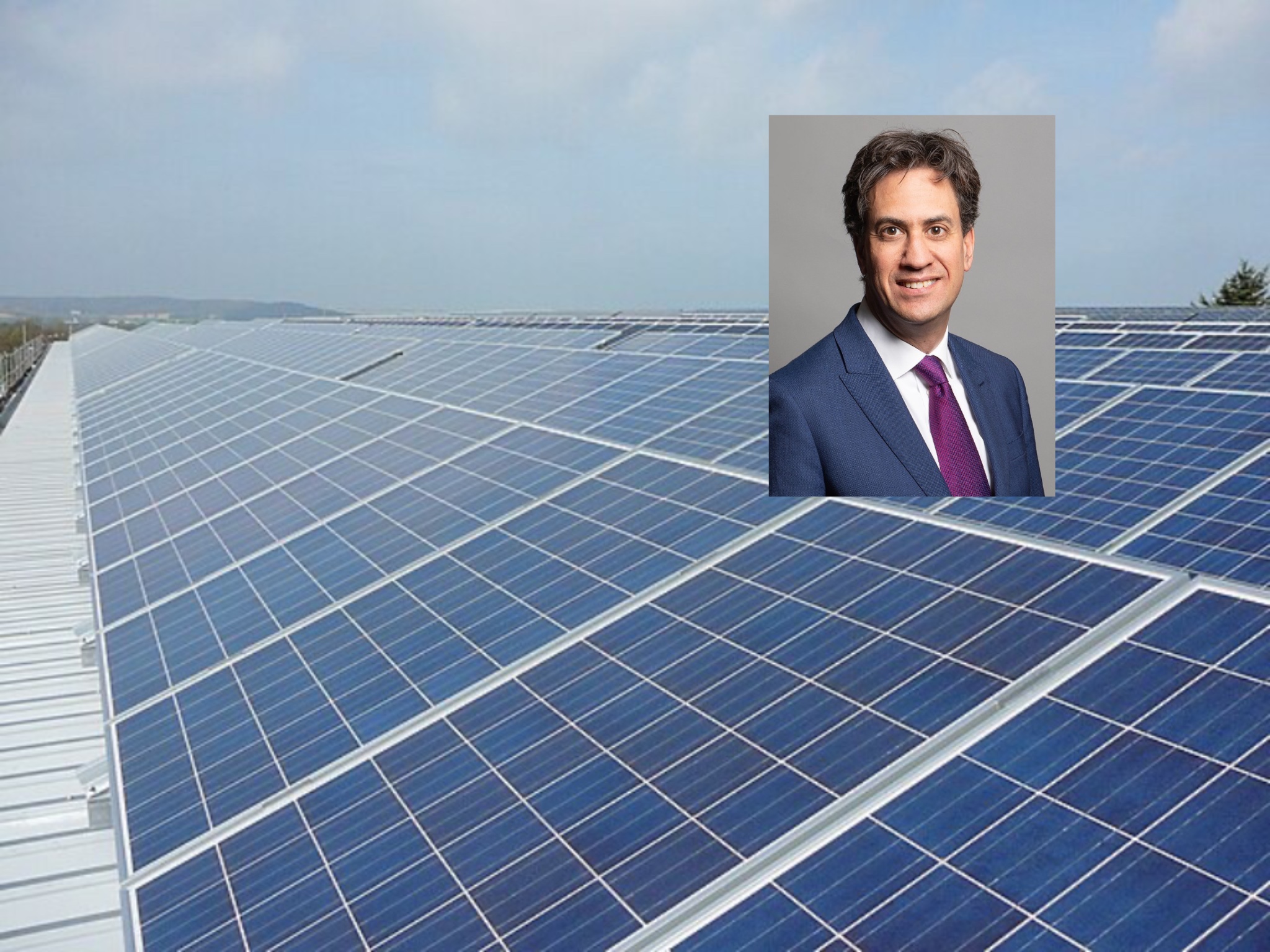
Investors who purchased shares at peak valuations in a renewable energy investment vehicle now face catastrophic losses exceeding 50 per cent following yesterday’s announcement the Ftse 250-listed fund will pursue orderly closure after struggling to sustain its business model.
SDCL Efficiency Income Trust’s shares have plummeted from 114p at their height to approximately 42.5p currently, devastating retail investors who poured money into the vehicle during Britain’s early green-energy expansion when the trust attracted strong demand following its 2018 launch.
The £1.2 billion fund—which accumulated capital over four years targeting 7-8 per cent annual returns through investments including Tesco solar panel installations and Indiana biomass facilities converting waste to energy—has failed meeting performance expectations amid higher borrowing costs and challenging market conditions.
Chairman Tony Roper warned in December that multiple portfolio investments faced difficulties linked to “policy and regulatory changes” particularly affecting American holdings, whilst elevated interest rates diminished the trust’s relative return appeal.
Board consultation with shareholders revealed a “clear preference for liquidity” rather than continuing recovery attempts, prompting the wind-down decision despite exploring stabilisation alternatives.
Saba Capital, led by investor Boaz Weinstein, reportedly holds approximately 10 per cent of the struggling trust, whilst Panmure Liberum analysts cautioned that disposing assets in current conditions constitutes a “tough market” for renewable-energy sales.
March saw SEIT complete £105 million energy-efficiency infrastructure disposal at nine per cent discount to reported valuations, with management acknowledging the transaction required longer-than-expected timeframes suggesting further wind-down sales may encounter similar delays.
The collapse arrives as Institute for Economic Affairs briefing warns Net Zero’s gross costs could vastly exceed official estimates, with analysts arguing public bodies have relied on overly optimistic assumptions regarding renewables, heat pumps and electric vehicles.
The IEA paper contends shifting methodologies have masked the transition’s true price tag, concluding that underestimating costs risks suppressing honest debate over Britain’s most significant economic commitments whilst calling for enhanced transparency enabling credible policymaking through realistic accounting.
SEIT’s demise represents a sharp reversal for a fund symbolising investor enthusiasm during the UK’s renewable-energy push, with its failure highlighting vulnerabilities within green investment vehicles confronting elevated financing costs and uncertain regulatory environments.
The trust’s portfolio diversity—spanning energy-efficiency projects and renewable generation assets—proved insufficient insulating against broader market headwinds affecting the sector, with policy uncertainties and interest rate increases creating conditions management ultimately deemed unsustainable.
Retail investors who believed in the fund’s green credentials and return projections now confront substantial capital losses as the trust embarks on asset liquidation likely spanning extended periods given current market challenges for renewable infrastructure disposals.
