



The Department for Work and Pensions has upheld its decision not to provide financial redress to women affected by state pension age changes, citing the inability to justify a compensation bill exceeding £10 billion.
Pat McFadden, DWP minister, delivered the confirmation to the House of Commons following a review of the Government’s position on payouts for an estimated 3.8 million women born during the 1950s.
The determination followed months of deliberation, which included the discovery of a 2007 internal DWP evaluation during court proceedings. The document revealed officials had ceased sending automatic pension forecast letters to affected individuals.
Mr McFadden announced in November that his department would examine the previously established policy against compensation. Despite this review, the Government maintained its stance whilst acknowledging the department had engaged in maladministration, as identified by the Parliament and Health Service Ombudsman.
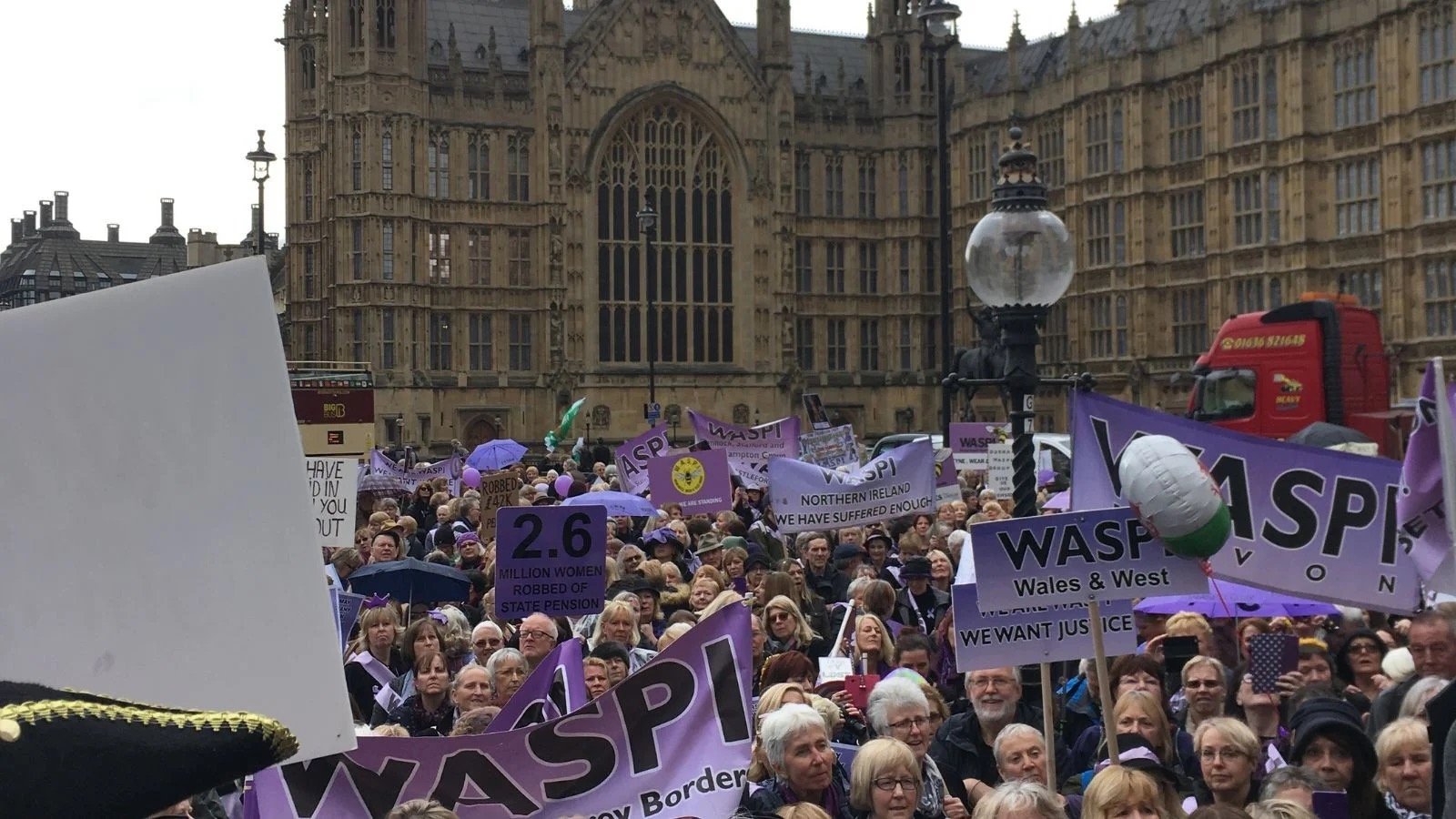
The Women Against State Pension Inequality campaign has pursued redress from successive governments over the equalisation of state pension ages between men and women. The changes raised the retirement age for women from 60 years to match that of men.
Campaigners contend that women born during the 1950s received insufficient notification about the alterations to their expected retirement date. The pension age equalisation process affected millions of women who had planned their finances based on retiring at 60.
In 2024, the PHSO concluded that impacted women could be eligible for compensation categorised as “Level 4”, representing payments ranging from £1,000 to £2,950 per person. However, the ombudsman specified that MPs bore responsibility for determining and voting on an appropriate settlement amount.
The Government accepted the ombudsman’s findings regarding DWP maladministration but concluded the substantial financial commitment required for full compensation could not be justified. The rejection covers the entire compensation package despite the official acknowledgment of departmental failings.
Ahead of Mr McFadden’s statement to Parliament, Angela Madden, chair of the Waspi campaign, highlighted the breadth of political support for compensation. She noted that hundreds of MPs had publicly reaffirmed their backing for fair redress in recent weeks, reflecting millions of supporters nationwide.
Ms Madden warned ministers to prepare for significant public backlash if they failed to commit to fair compensation for all affected women. She characterised the months of waiting for a government update as a prolonged period of uncertainty for campaigners.
The decision means women born in the 1950s who were affected by the pension age changes will not receive the payments recommended by the ombudsman. The Government has concluded its review of the compensation policy without altering its position.
