



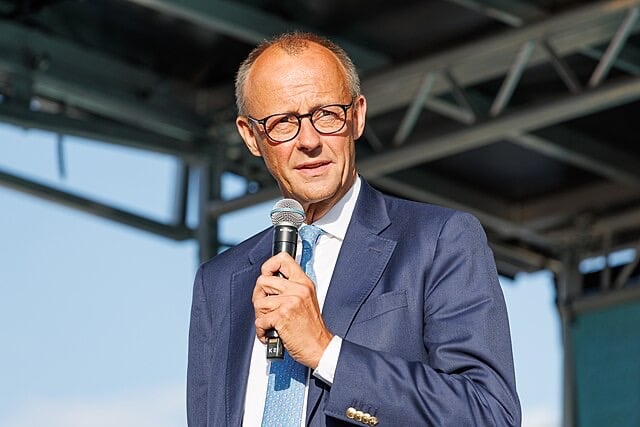
German employees average 15 sick days annually compared to 4.4 for British workers, with the practice costing businesses approximately €82 billion (£71 billion) each year, prompting Friedrich Merz’s Christian Democrats to unanimously back ending phone-based sick leave at their party conference.
The CDU proposal would make face-to-face medical appointments mandatory before workers can be signed off, reversing pandemic-era rules that allowed Germans to secure up to five days of paid leave by calling their GP surgery. The party claims easy access to sick notes encourages workers to make “the edge-of-the-bed-decision in favour of calling in sick.”
Germany operates one of the world’s most generous welfare systems, with employers covering sick pay for up to 41 days before insurance providers assume responsibility. The CDU argues such costs are unsustainable amid prolonged economic stagnation, with GDP rising just 0.3 percent in 2025 following largely flat growth since 2017.
Business leaders have voiced alarm about absence levels, with the Allianz chief executive warning Germany risks becoming the “sick man of Europe” again. Mercedes-Benz chairman Ola Kallenius stated: “When absenteeism in Germany is sometimes twice as high as in other European countries, this has consequences for business.”
Some companies have hired private investigators to monitor suspected abuse cases. Detective Paul Katz told Berlin broadcaster Rbb: “We are increasingly being contacted by employers who suspect that an employee is repeatedly or for extended periods calling in sick and is simultaneously working for the competition or pursuing private projects.”
Merz has argued high absenteeism rates harm Germany’s economic performance, with Federal Minister of Health Nina Warken launching a formal review of sick leave policies following his January comments questioning whether current absence levels are justified.
However, the proposal has created coalition government tension. The Social Democrats oppose the CDU’s move, with health spokesman Christos Pantazis arguing phone-based sick notes ease pressure on GP surgeries and reduce infection risks.
Yasmin Fahimi, head of the German Trade Union Confederation, claimed it was “highly indecent to place employees who have called in sick under general suspicion, as if they were shirkers and slackers.”
Medical professionals remain divided on the issue. One doctors’ association chief warned the current system “invites abuse,” whilst another dismissed concerns over absenteeism as an “employers’ fairy tale.”
Rising mental health-related absences, an ageing workforce, post-pandemic behavioural shifts and labour shortages have all been cited as factors behind Germany’s increased sick leave rates. The confluence of these elements has complicated efforts to determine how much of the absenteeism represents legitimate illness versus system exploitation.
The stark contrast with British absence rates has fueled debate about whether cultural differences, workplace conditions, or policy structures drive the disparity. German workers’ 15 annual sick days exceed the British figure by more than threefold, raising questions about whether policy changes alone can address the gap.
The CDU’s unanimous conference vote demonstrates party unity on the issue despite coalition opposition. Implementation would require navigating resistance from Social Democrat coalition partners and trade unions who argue the current system protects vulnerable workers and reduces healthcare system strain.
The policy review launched by Health Minister Warken will assess whether evidence supports claims of widespread abuse or whether factors like Germany’s aging population and mental health crisis justify elevated absence rates. The review’s findings will inform whether the government proceeds with mandatory in-person appointments or maintains pandemic-era telephone provisions.
