



Digital nomads can dramatically reduce travel expenses by prioritizing public transportation over taxis and preparing meals at home rather than dining out, with these two strategies representing the fastest routes to budget control whilst maintaining mobility.
Transportation costs spiral quickly for remote workers relying on rideshare services and taxis to navigate new cities. Metro systems, trams and buses provide reliable alternatives at fraction of the cost whilst offering authentic local experiences. Walking and cycling present zero-cost options for exploring neighborhoods, with many destinations offering short-term bike rentals for those wanting wheels without the taxi fare.
Dining expenses similarly drain budgets when every meal comes from restaurants. Remote workers with access to kitchens or kitchenettes can purchase ingredients at local markets and prepare meals independently. Street food stalls and local restaurants away from tourist districts offer authentic cuisine at lower prices when cooking isn’t feasible.
Accommodation represents the largest single expense category for traveling remote workers. Hostels, guesthouses and shared apartments through platforms like Hostelworld, Booking.com and Airbnb provide budget-friendly alternatives to hotels. House-sitting and home exchange programs through TrustedHousesitters and HomeExchange enable free accommodation whilst providing local immersion opportunities.
Location selection fundamentally determines overall budget feasibility. Southeast Asia, Eastern Europe and Latin America attract digital nomads seeking lower cost-of-living destinations with established remote work infrastructure. Cities including Chiang Mai, Bangkok, Medellin and Budapest combine accessibility with expenses significantly below Western country levels. Researching typical costs for accommodation, food, transport and internet before committing to destinations prevents budget overruns.
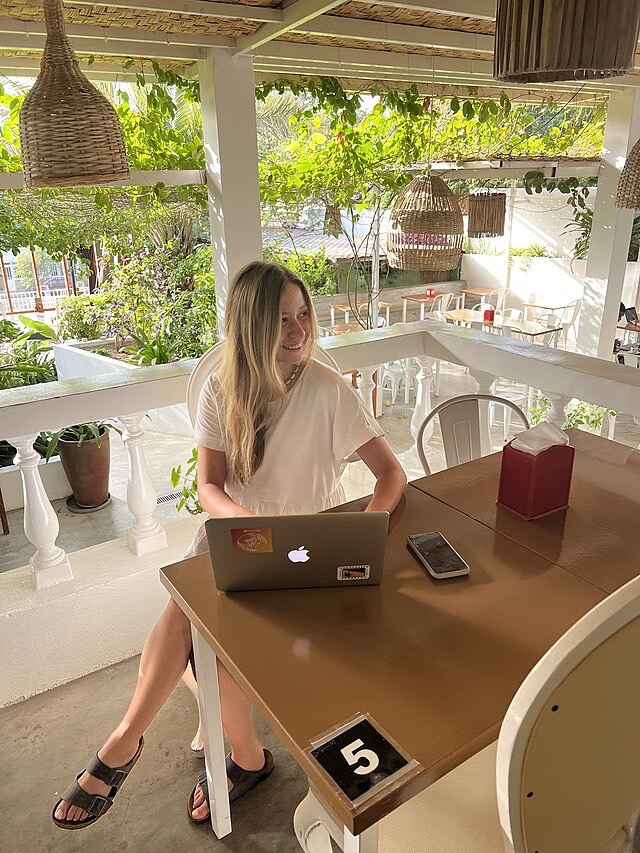
Workspace costs vary dramatically by location and arrangement. Coworking space memberships provide stable internet and community but represent recurring expenses. Day passes offer flexibility without long-term commitments, whilst cafes with quality Wi-Fi enable work sessions for the price of coffee. Parks, public libraries and free spaces accommodate those willing to work outside traditional office environments. Portable Wi-Fi devices or local SIM cards with data packages reduce dependence on paid coworking facilities.
Travel timing significantly impacts expense levels across flights, accommodation and local activities. Off-season periods, sometimes called shoulder seasons, deliver substantial savings compared to peak tourist months. Reduced crowds enhance experiences at popular attractions whilst lower demand drives down prices. Each destination maintains different low seasons requiring research to identify optimal timing.
Entertainment and exploration need not strain budgets. Free or low-cost activities including community events, parks, hiking trails and museums with complimentary admission days provide cultural experiences without expenses. Platforms like Meetup connect travelers with free local events and groups. Outdoor activities including beach visits, hikes and market exploration offer inexpensive destination enjoyment compared to paid attractions.
Remote workers planning extended travel periods can implement these strategies immediately to reduce expenses without sacrificing experience quality. Combining multiple approaches – such as choosing affordable destinations, traveling during low seasons, using public transport and cooking regularly – compounds savings significantly. The accessibility of budget travel methods enables digital nomads to extend their mobility whilst maintaining financial sustainability for long-term remote work lifestyles.
