



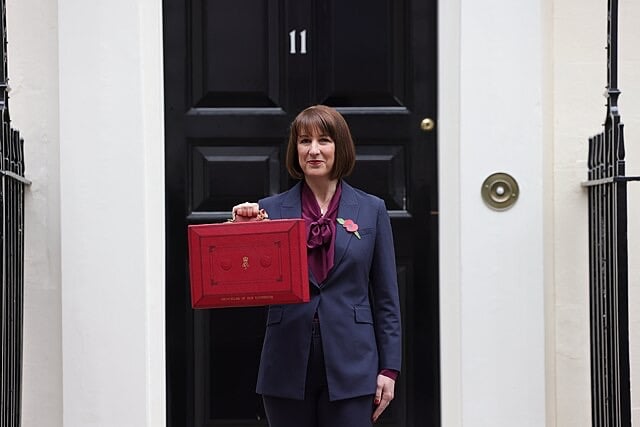
Britain faces the prospect of diesel shortages emerging within weeks as the Chancellor prepares to urge G7 nations to resist protectionist measures that could choke off the country’s energy imports.
Rachel Reeves will appeal to international counterparts not to hoard oil and gas supplies during talks later, whilst Prime Minister Sir Keir Starmer meets executives from Shell, BP and Norwegian energy firm Equinor in Downing Street to assess the deteriorating situation.
The Government has admitted it is developing contingency plans despite publicly encouraging Britons to maintain normal routines, with crisis meetings underway as fears mount over the Iran conflict’s economic impact.
Expert warnings have grown increasingly stark about the scale and duration of disruption facing the UK, with soaring pump prices representing merely the initial symptoms of a far broader crisis.
Former Maersk director Lars Jensen cautioned the world remains “only in the beginning of those price escalations,” predicting shortages will persist for six to twelve months even after the Strait of Hormuz reopens due to extended supply chain timescales.
“The oil shortages that we have been seeing they are only going to get worse, even if magically the Strait of Hormuz would reopen tomorrow,” Mr Jensen told the BBC’s Today programme. “Even if you opened it tomorrow you are going to feel these higher prices at least for the next six months, if not even more.”
Former Bank of England deputy governor Howard Davies warned Iran’s blockade signals “a long-term reduction in supply” requiring government plans to increase alternatives and reduce consumption.
Mr Jensen, who now runs Vespucci Maritime, argued the crisis could exceed the infamous 1970s energy shock due to dramatically increased global interconnection. “Back then the amount of goods – not just oil but also fertiliser, aluminium, all sorts of other products – it was a lot less than what we are dependent on today,” he stated. “So the impact we are seeing today is going to be substantially larger than back in the Seventies.”
Diesel supplies face particular vulnerability as disruption filters through supply chains, with Britain more exposed than for petrol, which primarily originates from the United States and Norway.
Fertiliser shortages present an additional concern, with 20-30 per cent of seaborne fertiliser originating from the Gulf region. “This will mean rapidly escalating food prices, especially in poorer countries which typically tends to destabilise such countries,” Mr Jensen warned.
Australia has halved fuel duty for three months following similar measures by Ireland, Spain and Poland. However, the UK Government has rejected comparable action and refused to cancel a September duty increase.
Brent Crude prices climbed overnight as President Donald Trump suggested deploying ground troops to seize a strategic Iranian island.
