



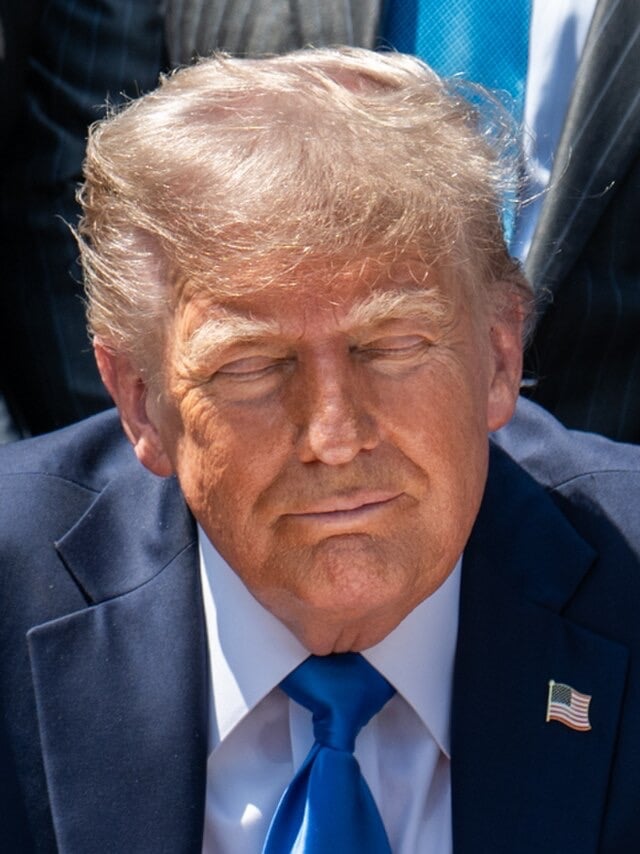
Donald Trump has suggested the United States could assume joint control of Iran alongside an unnamed Iranian leader, as conflicting claims over whether peace negotiations are even taking place continued to sow confusion in global markets and allied governments.
Speaking on Monday, the US President declared that “very serious regime change” was under way in Iran and floated the idea of a power-sharing arrangement, saying the Strait of Hormuz could be “controlled by me and the ayatollah.” He drew a parallel with Venezuela, where the US had pursued leadership change following the capture of President Nicolas Maduro, suggesting a similar course of action was being considered for Iran.
Trump had earlier announced a five-day pause in planned strikes against Iranian energy infrastructure, which he said followed “very, very strong talks” with Tehran about a potential ceasefire. He claimed “major points of agreement have been reached” and that Iran wanted “very much to make a deal.”
Iran flatly rejected that account. Parliamentary speaker Mohammad Bagher Ghalibaf posted on X that “no negotiations have been held with the US,” accusing Washington of using “fake news to manipulate the financial and oil markets and escape the quagmire in which the US and Israel are trapped.” Iran’s foreign ministry indicated only that friendly nations had relayed messages suggesting the US was seeking talks, but said no response had been issued. An Israeli official told Reuters that Ghalibaf was in fact fronting discussions with Washington, further muddying an already contradictory picture.
The announcement of a pause in strikes had an immediate effect on markets. Oil prices, which had surged throughout the conflict, fell sharply on the news, and London’s FTSE 100 rebounded. The gains and price drops proved volatile as Iran’s denials filtered through.
In Westminster, Sir Keir Starmer told senior MPs on the Liaison Committee that it was “hard to answer” how long the crisis would last, warning that Britain must prepare for the possibility of a prolonged conflict. “This is not our war, and we are not getting dragged into this war,” he said, while welcoming the reported talks and expressing hope for “swift de-escalation.” He confirmed the UK had been aware of the discussions prior to Trump’s announcement.
Whether Trump’s proposed five-day window produces any verifiable diplomatic progress remains the central question, with Tehran’s public position and Washington’s claims currently pointing in entirely opposite directions.
