



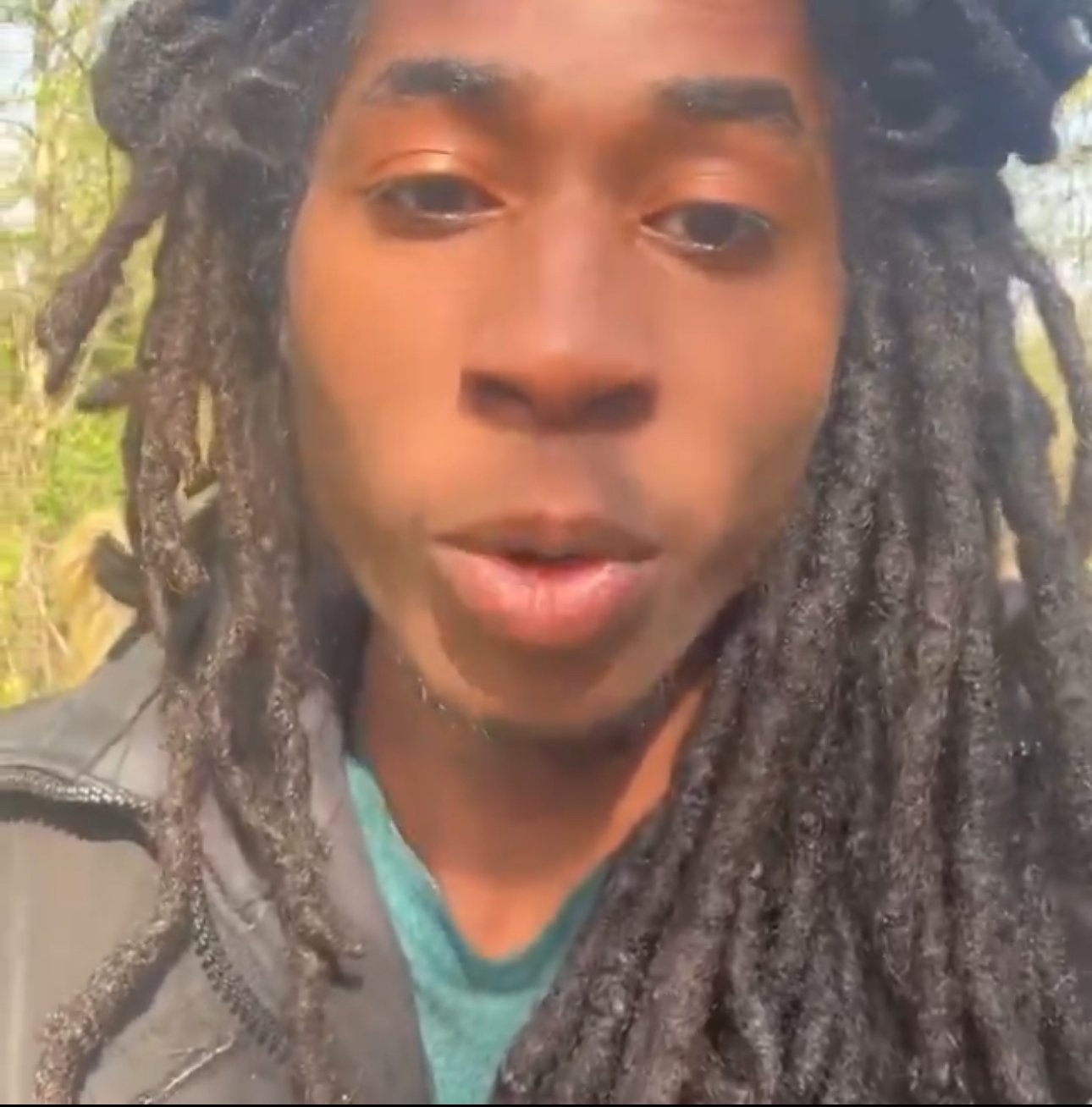
A video circulating on social media shows an individual identifying as a Black Lives Matter activist calling for violent attacks against white people and police officers, claiming such actions represent the only path to liberation for black people.
The clip, which has drawn attention to questions of content moderation and potential incitement, features the speaker rejecting non-violent approaches to activism. He states that “no amount of begging, no amount of complaining, no amount of protesting” will achieve freedom, instead claiming “the only way black people achieve true liberation” involves “taking it in blood.”
The speaker describes a vision involving “blood over the floor,” “bodies on the floor,” and “people screaming and crying,” whilst dismissing peaceful methods of protest and spiritual approaches to racial justice.
In the footage, he criticizes those focused on what he terms a “spiritual war,” arguing that police shootings and imprisonment represent physical threats requiring physical responses. “When cops are going into our neighborhoods and shooting our babies, that’s a physical thing,” he states, urging others to “address the physical.”
The individual explicitly tells viewers not to contact him unless prepared to “go outside and hunt them white boys, hunt them cops, go to that white boy’s neighborhood” and commit violent acts. He criticizes what he perceives as unwillingness among others to embrace violence, suggesting “many of us are scared,” “complacent in our oppression,” or reluctant to damage “relationships we have with white people.”
The speaker states he will not engage with other activists until they are “ready to go outside and take blood,” repeating that “there is no freedom” and “no liberation for our people until there is blood on that floor, on that battlefield.”
Law enforcement and social media platform responses to such content typically depend on whether statements are judged to constitute direct incitement to violence under applicable laws and platform policies. Formal investigations, content moderation decisions, or legal action would hinge on those standards and on where and how the video is being distributed.
Platforms including Facebook, Twitter and YouTube maintain policies prohibiting content that incites violence or targets individuals based on race. However, enforcement varies depending on interpretation of specific statements and context in which they appear.
The video’s circulation raises questions about how platforms balance free speech concerns against policies prohibiting incitement to violence. Legal standards for prosecuting incitement typically require showing that speech is directed to inciting imminent lawless action and likely to produce such action.
Any potential criminal investigation would need to establish jurisdiction, identify the speaker, and determine whether statements meet legal thresholds for incitement charges under federal or state law. Civil rights organizations and law enforcement agencies monitor extremist rhetoric across the political spectrum for potential threats.
