



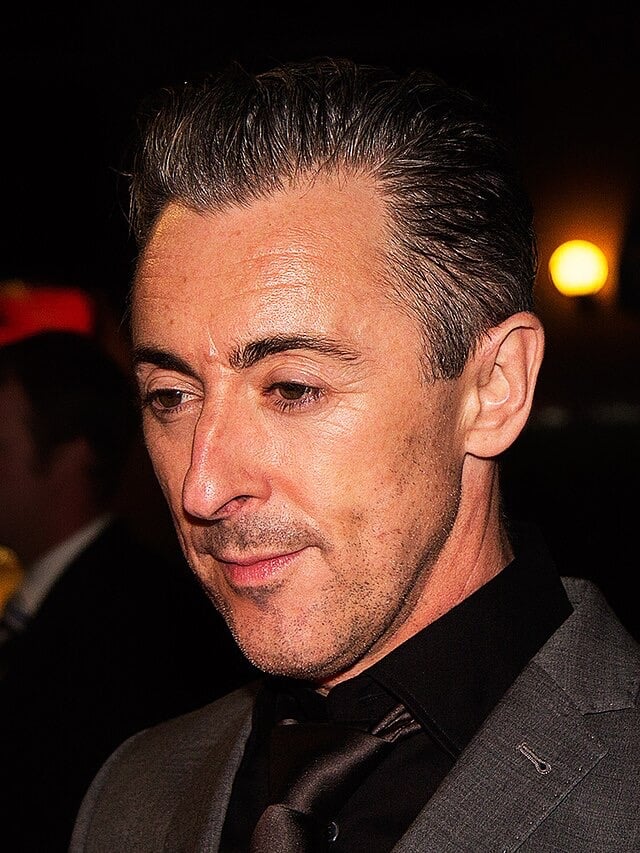
John Davidson, the Tourette’s sufferer whose life inspired Bafta-nominated film I Swear, left Sunday’s ceremony at London’s Royal Festival Hall halfway through after his involuntary vocal tics including a racial slur prompted host Alan Cumming to halt proceedings and the BBC to issue an apology.
Davidson was not heard during the second half of the awards show, with reports indicating he departed of his own accord. A source told US publication Variety that the 54-year-old activist was an invited guest and would under no circumstances have been asked to leave.
The BBC addressed the controversy on Monday morning after some viewers took issue with Davidson’s tics being included in the broadcast. A spokesperson stated: “Some viewers may have heard strong and offensive language during the Bafta Film Awards 2026. This arose from involuntary verbal tics associated with Tourette syndrome, and was not intentional. We apologise for any offence caused by the language heard.”
The most notable moment occurred when Sinners actors Michael B Jordan and Delroy Lindo, both nominated for awards, presented the visual effects prize to Avatar: Fire and Ash. Moments after the two actors took to the stage, Davidson was heard shouting a racial slur.
Scottish host Cumming intervened twice during the ceremony to explain the situation to viewers. He first paused proceedings to address the audience directly, stating: “You may have noticed some strong language in the background. This can be part of how Tourette’s syndrome shows up for some people as the film explores that experience. Thanks for your understanding and helping create a respectful space for everyone.”
Later, Cumming offered another explanation: “Tourette’s Syndrome is a disability and the tics you’ve heard tonight are involuntary, which means the person who has Tourette’s Syndrome has no control over their language. We apologise if you are offended tonight.”
Davidson’s vocal tics were audible throughout the first half of the ceremony, including during Bafta chair Sara Putt’s opening address and when directors of children’s film winner Boong collected their award. The outbursts included swear words and slurs.
Davidson was propelled into the public eye through the 1989 BBC documentary John’s Not Mad, which introduced millions of viewers to the realities of living with Tourette’s at a time when awareness of the condition was rare. He began experiencing symptoms aged 12 but received his diagnosis only at 25, spending years facing confusion and social isolation before understanding his condition.
I Swear, the film dramatizing Davidson’s life story, secured five Bafta nominations including Outstanding British Film, Original Screenplay and Supporting Actor for Peter Mullan. The film won the Casting award, with the biggest result seeing leading actor Robert Aramayo triumph in the Best Actor category.
The 33-year-old actor from Hull beat Hollywood stars Leonardo DiCaprio and Timothée Chalamet, as well as Ethan Hawke, Jesse Plemons and Michael B Jordan. Aramayo told the auditorium: “I can’t believe I’ve won.”
The film’s success at the Baftas raises awareness of Tourette’s syndrome whilst the controversy surrounding Davidson’s involuntary tics during the ceremony highlights ongoing challenges around broadcasting events attended by people with disabilities whose symptoms may include offensive language beyond their control. The BBC’s decision to apologize whilst acknowledging the involuntary nature of the tics reflects the tension between audience sensitivities and inclusive representation of people with Tourette’s at major cultural events.
