



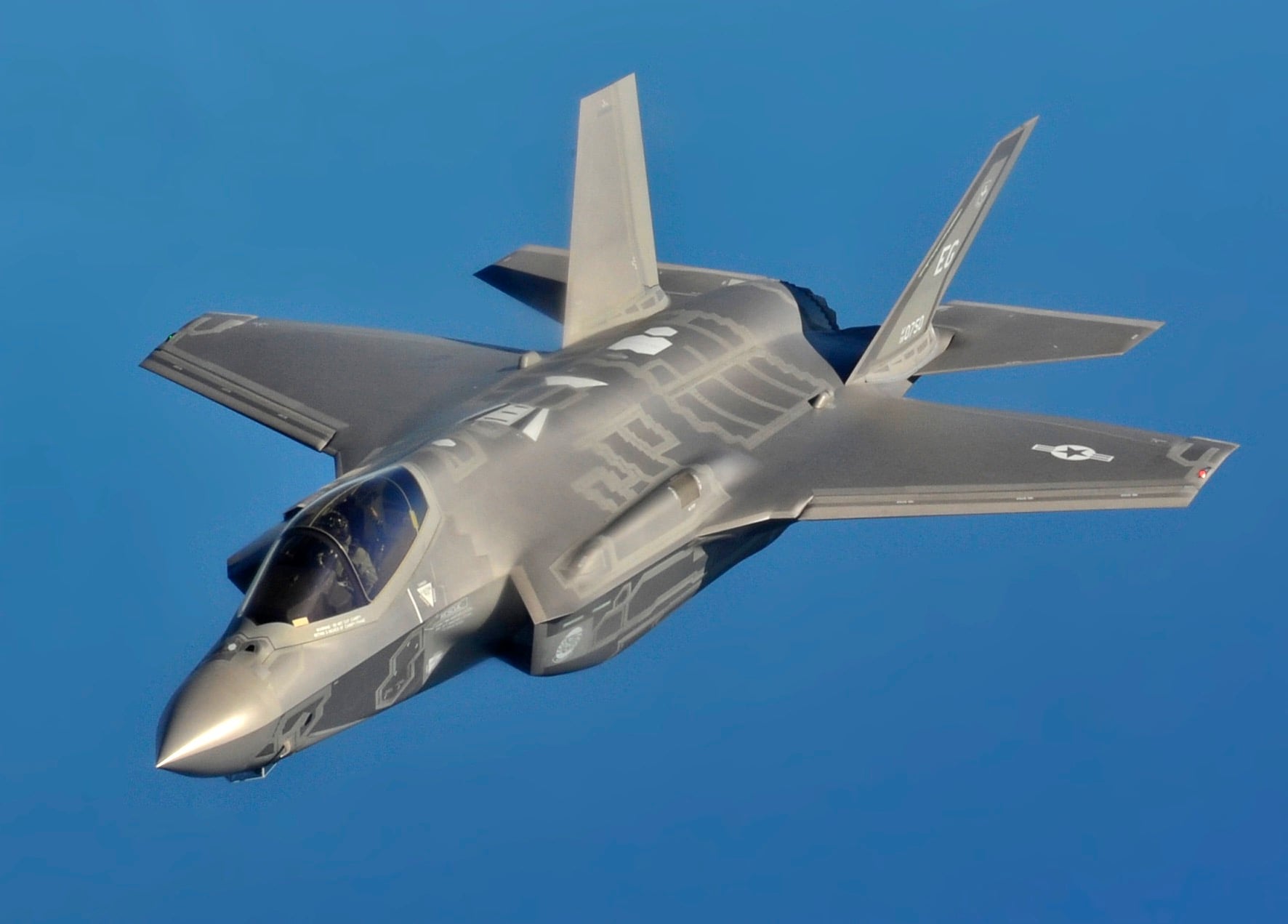
Search and rescue teams are scouring Iranian territory for the crew of a United States military aircraft shot down over the Islamic Republic, with officials confirming the loss on condition of anonymity whilst declining to provide operational details.
The incident occurred as President Donald Trump escalated threats against Iranian civilian infrastructure on Thursday, posting social media footage depicting destruction of the B1 bridge connecting Tehran and Karaj—a newly constructed highway crossing scheduled to open for traffic this year.
“Our Military, the greatest and most powerful (by far!) anywhere in the World, hasn’t even started destroying what’s left in Iran. Bridges next, then Electric Power Plants!,” Mr Trump declared alongside dust and smoke imagery from the Thursday strike.
Iran’s military claimed separately on Thursday it had shot down an American F-35 fighter jet over central Iranian airspace, though authorities have not confirmed whether this represents the same aircraft referenced by US officials discussing the ongoing crew search.
The Revolutionary Guard Corps responded to Thursday’s bridge destruction by threatening comprehensive retaliatory strikes against “all assets of the Israeli regime and the US in fuel, energy, economic centres, and power plants across the region.”
Tehran additionally demanded nations hosting American military installations expel US forces from their territory, warning such facilities face targeting in any expanded conflict.
The aircraft loss represents a significant development in hostilities that have already witnessed extensive American bombardment of Iranian military and infrastructure targets whilst Tehran maintains its Strait of Hormuz blockade choking global petroleum supplies.
Fighter jet downings carry particular symbolic weight beyond operational considerations, with crew fate becoming focal points for public attention whilst wreckage and captured personnel provide propaganda opportunities for adversaries.
Search and rescue missions in hostile territory involve substantial risk, requiring coordination between multiple military branches whilst navigating Iranian air defences that have now demonstrated capability to strike advanced American combat aircraft.
Mr Trump’s explicit threats against civilian infrastructure including electrical generation facilities mark escalation beyond military targeting, raising questions about compliance with international humanitarian law governing armed conflict.
The President’s suggestion that American military operations “haven’t even started” destroying Iranian assets suggests substantially intensified bombardment campaigns may be imminent despite current operations having already devastated portions of the Islamic Republic’s defensive capabilities.
Iran’s counter-threat encompasses regional targeting rather than solely Iranian territory, potentially drawing Gulf states hosting US facilities into direct confrontation if the Revolutionary Guard follows through on warnings.
The incident unfolds as diplomatic efforts led by Britain to coordinate international responses to the Hormuz crisis continue, with 35 nations participating in discussions seeking to reopen the strategic waterway without triggering broader regional conflagration.
