



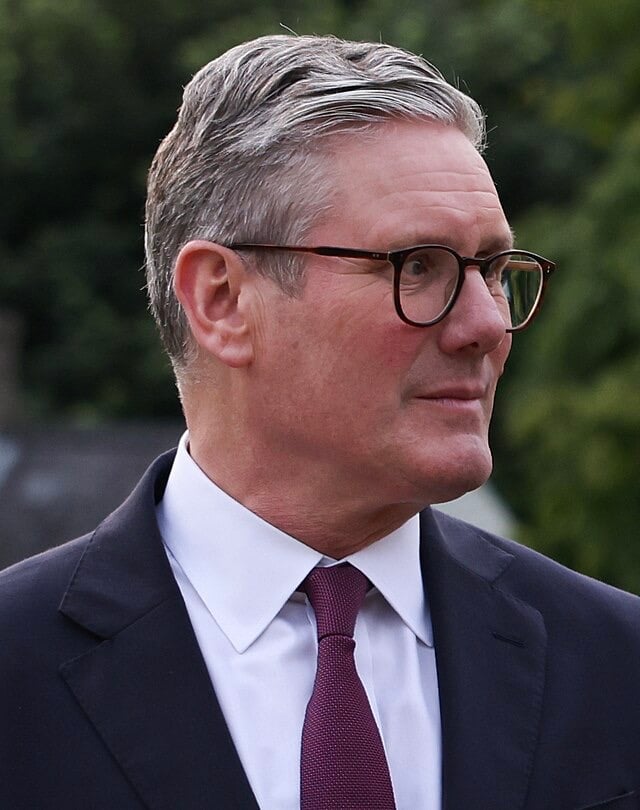
Sir Keir Starmer has used a televised address from Downing Street to set out Britain’s position on the Iran crisis, pledging that the UK will not be dragged into a broader conflict while announcing support measures for households struggling with sharply rising energy costs.
The Prime Minister outlined three priorities guiding the Government’s approach. The first is protecting British nationals in the region. The second is taking necessary defensive action while avoiding escalation beyond that. The third is working toward a resolution that restores stability to the Middle East and removes what he described as the Iranian threat to neighbouring countries. “I want to see an end to this war as quickly as possible,” Starmer said, “because the longer it goes on, the more dangerous the situation becomes, and the worse it is for the cost of living back here at home.”
The address came hours after President Donald Trump suggested Britain may no longer hold its place as America’s “number one ally,” following the Prime Minister’s reluctance to commit Royal Navy vessels to operations in the region. Trump has been pressing NATO partners to assist in efforts to reopen the Strait of Hormuz, the critical waterway whose closure has pushed global oil prices above $100 a barrel and kept them there throughout the weekend.
The energy cost implications of the prolonged closure formed a central part of Starmer’s domestic message, with the Government announcing targeted support for households facing heating oil bills that have risen by 80 per cent in the space of a week. Around 1.5 million homes that rely on heating oil are set to benefit from the measures, with the Chancellor having confirmed that Treasury officials have identified funding to underwrite the subsidy.
Starmer was careful to frame Britain’s military posture as firm but restrained, describing the Government’s objectives as “clear and consistent” throughout the conflict. The tension between that position and Washington’s expectations of its allies is likely to persist, with Trump’s public remarks about Britain’s alliance status adding diplomatic pressure to an already complex situation.
How the Government balances its domestic energy commitments with its obligations to NATO partners is expected to remain at the centre of political debate in the days ahead.
