



The BBC will face President Donald Trump in a Florida courtroom in February 2027 over a $10 billion defamation lawsuit, with the trial date set just hours before the broadcaster announced plans to slash 10 per cent of its operating costs.
A court order dated February 11 scheduled the trial during a two-week calendar beginning February 15, 2027, with counsel for all parties required to appear at a calendar call on February 9, 2027 at 1.45pm. Proceedings will be conducted in Courtroom 12-4 at the Wilkie D. Ferguson Jr. US Courthouse in Miami, Florida.
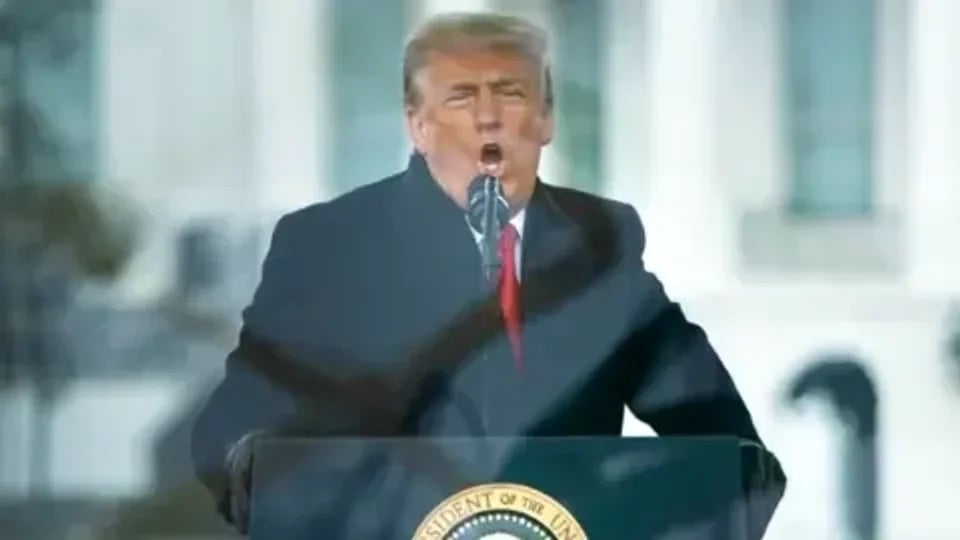
The President’s lawsuit concerns editing of a speech that he claims made it appear he directed supporters to storm the US Capitol. Trump has accused the broadcaster of defaming him by splicing together sections of his January 6, 2021 speech, including one part where he told supporters to march on the Capitol and another where he said “fight like hell.”
The BBC omitted a lengthy section in which Trump insisted the protests remain peaceful. The broadcast clip showed Trump saying: “We’re going to walk down to the Capitol… and I’ll be there with you. And we fight. We fight like hell.”
The corporation previously filed a motion to dismiss, claiming the Florida court lacks “personal jurisdiction” over the BBC, the court venue is “improper” and Trump has “failed to state a claim.” The broadcaster argued it did not create, produce or broadcast the documentary in Florida.
Hours after the trial scheduling, director general Tim Davie communicated a new savings target to employees on Thursday. Whilst the BBC declined to specify an exact figure, the reductions are anticipated to total hundreds of millions of pounds over the next three years.
The fresh round of cuts adds to what has been described as a series of demoralising cost-reduction exercises. The broadcaster had already committed to stripping out £700m by 2028 before this latest announcement.
A BBC spokesman explained: “In a rapidly changing media market, we continue to face substantial financial pressures. As a result, we expect to make further savings over the next three years of around 10% of our costs.”
The spokesperson added: “This is about the BBC becoming more productive and prioritising our offer to audiences to ensure we’re providing the best value for money, both now and in the future.”
Much of the broadcaster’s financial difficulties stem partly from steady erosion of licence fee income, with 300,000 households abandoning the fee last year alone. The announcement arrives at a pivotal moment with the BBC’s royal charter due for renewal at the end of 2027.
Ministers have launched a public consultation seeking views on the BBC’s future and funding models. Culture Secretary Lisa Nandy has indicated she is weighing various reform options, including the possibility of funding the broadcaster through advertising or subscription models rather than the licence fee.
Davie will step down as director general in April, leaving his successor to implement the cost reductions whilst navigating the charter renewal negotiations and the high-profile Trump defamation case. The combination of financial pressures and the $10 billion lawsuit creates significant challenges for the corporation’s incoming leadership.
The trial’s February 2027 timing means it will occur during the critical period when the government finalizes decisions about the BBC’s future funding structure and governance arrangements under the new charter.
